Affiliate Disclosure: Some of the links on this blog are affiliate links. This means I may earn a small commission if you click through and make a purchase, at no extra cost to you. I only recommend products and services I trust and believe will provide value to you.
Introduction
What if your savings could multiply sevenfold without lifting a finger? A single $10,000 investment growing to over $70,000 in 30 years isn’t magic – it’s the math behind wealth creation working silently in the background.
This growth engine thrives on a simple principle: earnings that generate their own earnings. Unlike basic savings methods, this strategy acts like a snowball rolling downhill, accelerating faster as it grows. Your initial funds become a launchpad for exponential progress.
Nearly 90% of millionaires credit this approach as their primary wealth-building tool, according to a 2023 National Wealth Study. It works equally well in bank accounts and stock market investments, turning patience into your greatest financial ally.
We’ll show you why starting today matters more than how much you save. You’ll see how everyday choices – like where you park your emergency fund or how you reinvest dividends – create ripple effects across decades. This isn’t just theory; it’s the reason 21-year-olds with modest incomes often outpace late starters earning six figures.
Key Takeaways
- Small amounts grow exponentially over decades through automatic reinvestment
- Starting early beats larger contributions later in life
- Earnings generate their own earnings without extra effort
- Works in both low-risk accounts and growth-focused investments
- Transforms routine savings into long-term wealth-building machines

Introduction to Compound Interest
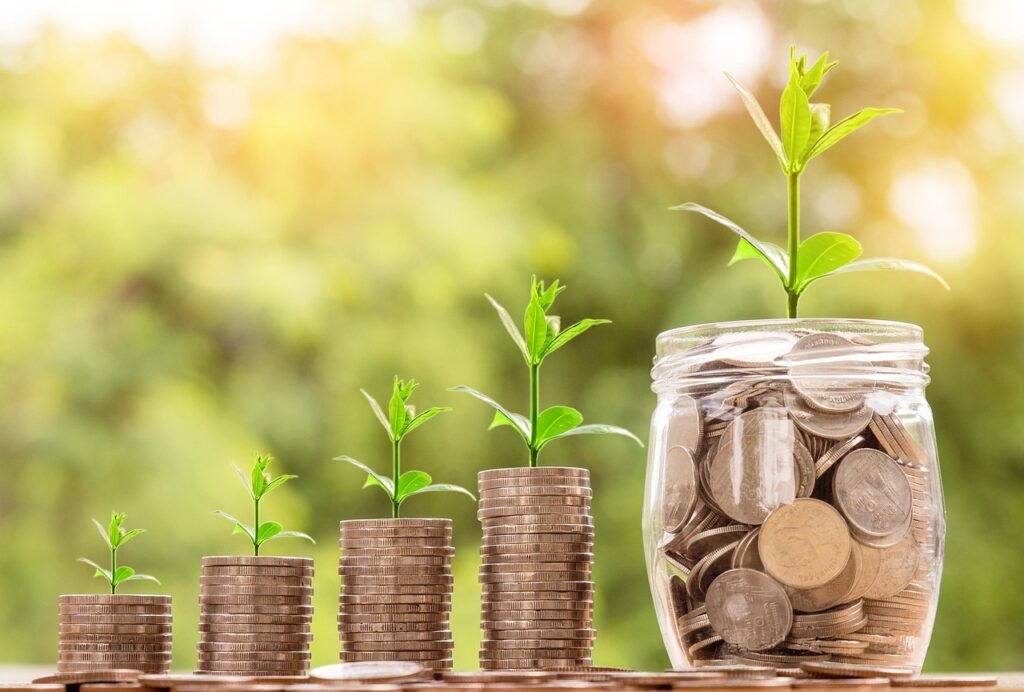
Picture earning returns not just on your savings, but on the returns those savings generate – and then on the returns from those returns. That’s the incredible power of compound interest in action. It’s like planting a single seed and watching it grow into an orchard. Over time, even small, consistent deposits can snowball into substantial wealth.
This self-fueling cycle of growth transforms your money from a passive pile into an active engine, building momentum with every passing day as each gain lays the foundation for even greater future gains. Your money doesn’t just grow, it accelerates.
Definition and Importance
This wealth-building method works by reinvesting earnings into your principal balance. Over months and years, your account grows from two sources: your original funds and accumulated gains. Albert Einstein reportedly called this concept “the most powerful force in the universe” for its ability to transform modest savings.
Financial experts consider it essential for long-term planning. Banks and investment platforms use it because it rewards consistent savers exponentially. The longer your timeline, the more dramatic the results become.
Benefits of Compound Interest Over Simple Interest
Traditional savings methods pale in comparison. With basic growth models, you earn fixed amounts yearly based only on your initial deposit. The modern approach multiplies your money faster by building on previous successes.
| Year | Basic Growth | Reinvested Growth |
|---|---|---|
| 5 | $12,500 | $13,382 |
| 10 | $15,000 | $18,106 |
| 20 | $20,000 | $33,637 |
This table shows how a $10,000 deposit at 5% grows differently. The right column demonstrates accelerated growth from continuous reinvestment. By decade two, the gap becomes life-changing.
Compound Interest
Money multiplies in two directions – upward in wealth-building, downward in debt traps. This financial force shapes everything from your savings account to car loans. Banks and credit card companies use it daily, but you can turn it to your advantage.
Your original deposit (called principal) teams up with accumulated gains to create snowballing growth. A $5,000 credit card balance at 18% APR shows how this works differently than basic interest:
| Year | Simple Growth | Reinvested Growth |
|---|---|---|
| 1 | $5,900 | $5,900 |
| 3 | $7,700 | $8,460 |
| 5 | $9,500 | $11,439 |
See how debts spiral faster than savings grow? The table reveals why minimum payments barely dent credit balances. “Earnings generating earnings” works equally for investments and liabilities.
Modern banking adopted this model because it rewards long-term thinking. Your emergency fund’s interest gets added to the principal each month, creating larger future gains. Credit cards do the reverse – unpaid charges increase your owed amount.
Recognizing this pattern helps you spot it in mortgages, student loans, and retirement accounts. 15th-century merchants first used it to fund trade routes. Today, it quietly operates in every financial product you use.

How Compound Interest Works Over Time
Your timeline, not your bank balance, determines your wealth potential. Consider two friends: Alex starts saving $500 monthly at 25, while Sam begins at 30. Though Sam contributes $30,000 less total, Alex retires with nearly 50% more savings. This gap widens because early deposits get extra decades to multiply.
The Calendar Becomes Your Ally
Time transforms small steps into giant leaps. A $6,000 annual investment growing at 7% shows why:
- Starting at 25: $1.48 million at 65
- Starting at 30: $1.04 million at 65
Those five years create a $440,000 difference – enough to buy a retirement home cash. “The best investment strategy is a calendar,” says financial coach Rachel Stevens. “Each year’s head start works harder than any stock pick.” With compound interest, time is your best friend.
Growth Cycles Matter
How often earnings get reinvested changes outcomes. Compare $1,000 at 5% across different schedules:
| Schedule | 10 Years | 30 Years |
|---|---|---|
| Yearly | $1,629 | $4,322 |
| Monthly | $1,647 | $4,467 |
Monthly cycles add $145 extra over three decades. While the difference seems small initially, it compounds dramatically in later years. Daily reinvestment boosts it further – like getting a 13th monthly paycheck annually.
Smart investors maximize both timeline and frequency. Starting early with automatic reinvestments lets math handle the heavy lifting. Your future self will thank you for every year you began sooner. Other investment strategies such as dividend reinvestment plans (DRIPs) utilize the power of compound interest.

Formulas and Calculations: Mastering Compound Interest
Learn how simple math can help you grow your money. With just a few easy formulas, you can stop guessing and start seeing how your savings grow month by month and year by year.
Whether you’re saving for a house, retirement, or just building wealth, these numbers can show you the way. And don’t worry, no confusing terms here. I’ll keep it clear and easy so anyone can follow along.
Cracking the Growth Code
The core formula looks like this: A = P(1 + r/n)^(nt). Don’t let the letters scare you. Each symbol represents a building block:
- P = Principle (Your starting funds)
- r = Annual growth rate (as decimal)
- n = Number of times interest is compounded per year
- t = Years invested
Let’s break down each part. Your initial deposit, or Principle (P) teams up with the annual rate of return (r). Number of times interest is compounded per year (n) and time invested (t) complete the equation.
Timing Changes Everything
More frequent additions boost results. See how $1,000 grows at 5% across different timelines:
| Schedule | 1 Year | 5 Years |
|---|---|---|
| Yearly | $1,050 | $1,276 |
| Quarterly | $1,051 | $1,283 |
| Monthly | $1,051 | $1,284 |
| Daily | $1,051 | $1,284 |
Daily additions outpace yearly by $8 over five years. This gap widens exponentially – imagine the difference over 30 years!
You can calculate growth using spreadsheet formulas or online tools. Try this example: $5,000 at 4% rate, compounded monthly for 10 years. Plugging into the formula:
A = 5000(1 + 0.04/12)^(12×10) = $7,459
Your money nearly doubles without extra deposits. Adjust any variable – higher principal, better rate, or longer timeline – to see dramatic changes.

The Impact of Compounding Frequency on Your Returns
How often your money multiplies can be just as important as how much you initially invest. This is where the concept of compounding frequency comes into play—whether it’s annually, quarterly, monthly, or even daily, the timing of how often interest is added can significantly affect your long-term growth. Financial institutions have long used this timing to their advantage, maximizing returns on their own investments. But you don’t need to be a bank to benefit.
By understanding and choosing investments with more frequent compounding, you can put the same principle to work for yourself and accelerate your journey toward financial freedom. Now it’s your turn to harness this powerful strategy.
Annual vs. Quarterly vs. Daily
More frequent growth cycles supercharge your balance. A $10,000 deposit at 5% annual rate shows clear patterns:
| Schedule | 10 Years | 30 Years |
|---|---|---|
| Compounded annually | $16,289 | $43,219 |
| Quarterly additions | $16,436 | $44,677 |
| Daily boosts | $16,486 | $45,259 |
Daily frequency creates $1,040 extra over three decades compared to annual. The gap grows wider each year as earnings stack faster.
Real-World Applications
Savvy investors prioritize compounding frequency when choosing accounts. High-yield savings products often highlight daily interest compounded to attract customers. Consider these practical scenarios:
- Certificates of deposit (CDs) with monthly vs annual payouts
- Credit cards calculating debt daily versus monthly
- Dividend stocks reinvesting quarterly vs annually
While frequent growth matters most early on, diminishing returns kick in past monthly cycles. Moving from annual to monthly scheduling often provides bigger gains than monthly to daily. Always compare APY percentages – they bake frequency into the final return.

Real-Life Examples and Practical Applications
Ever wonder why two accounts with identical rates grow differently? Let’s explore everyday money situations where growth patterns create surprising outcomes. From emergency funds to car loans, these principles shape your financial reality.
Savings Accounts and Loan Scenarios
A $6,000 balance at 3.5% tells a revealing story. After a decade, basic growth reaches $8,100. With reinvested earnings? $8,460. The gap triples by year 30:
| Growth Type | 10 Years | 30 Years |
|---|---|---|
| Simple | $8,100 | $12,300 |
| Reinvested | $8,460 | $16,840 |
This same math explains bacterial colonies doubling every hour and car values losing 15% annually. Your credit card balance? It’s the dark mirror of savings growth – a $5,000 debt at 18% APR balloons to $11,439 in five years if unpaid.
Investment Growth Over Time
Regular $300 monthly deposits transform modest savings into serious wealth. At 7% growth:
- 10 years: $52,300
- 30 years: $365,000
“Debt compounds faster than investments,” warns financial advisor Mark Gibson. “A single missed payment can trigger avalanche effects.” Smart savers use automatic transfers to stay ahead – just like cities plan for population surges using similar growth models.
Watch how car values depreciate 20% yearly – the reverse of investment growth. Recognizing these patterns helps you spot opportunities in retirement accounts and dangers in store credit plans.

Investing Strategies for Leveraging Compound Interest
Imagine planting a financial seed that continues to grow while you sleep, slowly transforming into a strong, steady source of wealth. That’s the magic of compound growth paired with smart investing. You don’t need risky moves or complicated strategies to build wealth, just consistent habits and time-tested methods.
By following simple, disciplined routines, your money can work for you around the clock. In this section, we’ll dive into two powerful and practical approaches that not only boost your potential returns but also help you manage risk along the way. Whether you’re just getting started or looking to refine your strategy, these methods can put your financial future on a more secure and rewarding path.
Invest Early and Often
Consistency beats perfection in wealth-building. Putting aside $200 monthly starting at 25 could grow to $524,000 by 65 (assuming 7% returns). Wait until 35? You’d need $450 monthly to reach the same goal. Time transforms modest deposits into life-changing sums.
| Strategy | Monthly Deposit | Total by 65 |
|---|---|---|
| Start at 25 | $200 | $524,000 |
| Start at 35 | $450 | $525,000 |
Dollar-cost averaging smooths out market swings. Investing $500 every quarter automatically buys more shares when prices dip. This discipline turns market volatility into an ally rather than an obstacle.
- Set up recurring transfers to investment accounts
- Reinvest dividends to accelerate growth
- Increase contributions with every raise
Diversification for Better Returns
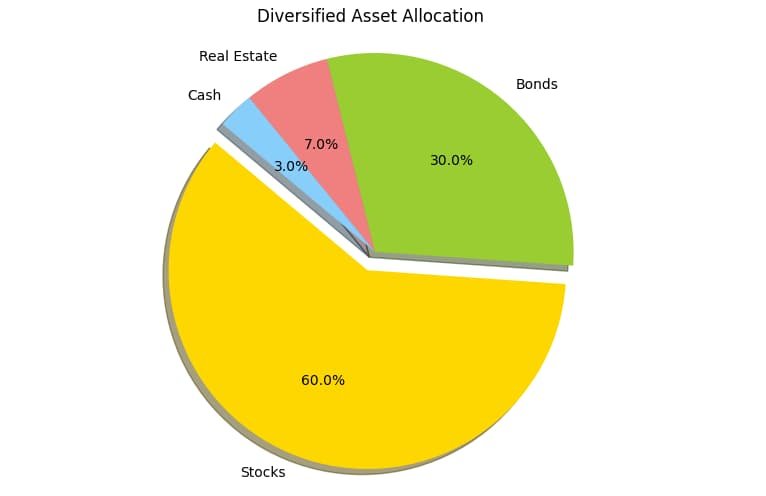
Spreading investments across assets protects against market drops while maintaining growth potential. Mutual funds and ETFs let you own hundreds of companies with single purchases. A balanced mix might include:
| Fund Type | Growth Potential | Risk Level |
|---|---|---|
| Index Funds | 7-10% annually | Moderate |
| Target-Date Funds | Varies by age | Managed |
Target-date funds automatically shift from higher allocation in stocks to bonds as retirement nears. This hands-off approach keeps your money working through market cycles. Professional managers handle stock picks while you focus on consistent deposits.
Remember: The best strategy combines early starts with diversified assets. Your money earns interest on interest, turning patience into your greatest financial superpower.
Comparing Compound Interest and Simple Interest
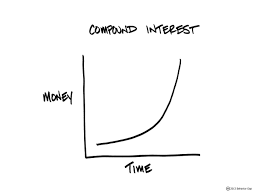
Why do two accounts with the same interest rate end up growing at different speeds? The secret lies in how and when the earnings are calculated and added. It’s not just about the rate, it’s about the compounding process. Think of basic, or simple, interest like earning a flat hourly wage: your returns are predictable, steady, and based only on your original deposit. But compound interest is more like a commission-based job where each success boosts the next. Instead of earning only on your starting amount, you earn on your earnings too, creating a snowball effect.
Over time, this reinvested growth gains momentum, and the difference between the two accounts becomes dramatic. It’s a quiet but powerful force that rewards consistency, patience, and early action.
Core Calculation Contrasts
Simple models use only your original deposit to calculate gains. If you invest $10,000 at 5% annually, you’ll earn $500 yearly – no more, no less. Reinvested models add those earnings to your principal each period, creating larger future returns.
| Year | Basic Growth | Reinvested Growth |
|---|---|---|
| 1 | $10,500 | $10,500 |
| 5 | $12,500 | $12,763 |
| 10 | $15,000 | $16,289 |
See how the gap starts small but triples by decade’s end? This explains why 96% of banks use reinvested calculations for savings accounts. Credit cards often apply it daily, making debts balloon faster than savings grow.
Basic models still appear in short-term scenarios. Personal loans between friends might use flat rates, and some car leases calculate charges this way. Always check agreements for “interest on principal only” clauses.
Your mortgage likely uses simple math, while your retirement account employs reinvested growth. Recognizing which method applies helps predict costs and returns accurately. A 25-year home loan won’t spiral like credit card debt, but a 3-year personal loan might surprise you.

Building a Stronger Financial Future with Smart Compounding
Your financial journey has two engines: one propelling you forward, the other dragging you back. Credit card balances demonstrate this tension perfectly – unpaid charges grow through daily compounding, while investments multiply through scheduled reinvestment.
Managing Debt and Investment Portfolios
A $5,000 credit card balance at 18% APR becomes $7,200 in just three years if unpaid. Compare this to a $5,000 investment growing at 7% annually:
| Year | Debt Growth | Investment Growth |
|---|---|---|
| 1 | $5,900 | $5,350 |
| 3 | $8,460 | $6,125 |
| 5 | $11,439 | $7,013 |
Attack high-rate debt first. Financial experts recommend prioritizing balances above 7% APR before boosting investments. Automate minimum payments on all accounts, then channel extra funds to your most expensive debt.
Rebalance your portfolio quarterly. Shift gains from winning investments to pay down lingering balances. This strategy maintains growth potential while reducing interest costs.
Set up separate accounts for emergencies and goals. High-yield savings with daily compounding protect against new debt when unexpected expenses arise. Regular contributions keep both engines working in your favor.
Conclusion
Time transforms small financial choices into life-changing results. Every dollar you save today becomes a partner in building wealth tomorrow. This strategy works best when you start early and stay consistent.
Your money grows through three key allies: regular contributions, smart account choices, and patience. Financial expert Maya Patel notes: “Wealth isn’t about big moves – it’s about letting math multiply your efforts over decades.” A $200 monthly deposit could become $300,000+ in 30 years with average market returns.
Watch how interest works in your favor. Savings accounts that reinvest earnings monthly accelerate growth more than annual options. Debts shrink faster when you pay more than minimums – flip the script on credit card math.
Your greatest advantage? Starting now. Those who begin saving at 25 often outpace peers who wait until 35, even with smaller deposits. Whether building emergency funds or retirement accounts, consistent action today creates exponential rewards tomorrow.
Harness this process by automating contributions and reinvesting gains. The clock’s already ticking – your future self will celebrate every year you began sooner.