Affiliate Disclosure: Some of the links on this blog are affiliate links. This means I may earn a small commission if you click through and make a purchase, at no extra cost to you. I only recommend products and services I trust and believe will provide value to you.
Introduction
Did you know 78% of Americans say traditional budgeting methods leave them feeling trapped or defeated? That’s nearly 4 out of 5 people struggling to balance today’s expenses with tomorrow’s goals. But what if there’s a smarter way to manage your cash without spreadsheets or guilt?
First introduced nearly two decades ago, the percentage-based budgeting framework (also known as the 50/30/20 rule) has quietly become America’s financial backbone. Its secret? Three simple categories that adapt to your life stage while building real wealth. Unlike restrictive plans, this approach gives you permission to enjoy life today while securing your future.
Modern tools have transformed how we implement these principles. Apps now automate what used to require hours of math, while new banking features help protect your priorities. Whether you’re tackling student loans or planning retirement, the system scales with your ambitions.
The real magic happens in the mindset shift. By treating savings like a fixed bill rather than an afterthought, you’ll watch your emergency fund and investments grow steadily. You’ll also gain clarity on what truly matters – without sacrificing Friday night takeout.
Key Takeaways
- Updated for 2025’s economic realities while keeping its core simplicity
- Creates automatic spending guardrails that reduce money stress
- Treats savings as mandatory, not optional
- Works equally well for gig workers and corporate professionals
- Modern apps now handle most of the tracking for you
Understanding the Basics of the 50/30/20 Rule
What makes this budgeting framework stick when others fail? Its power lies in simplicity – three clear buckets for your money that grow with you. Let’s unpack how it works and why it’s stood the test of time.
Defining the Rules and Percentages
Your take-home pay splits into three parts using easy math. Essentials like rent and groceries get the biggest slice. Fun money comes next, followed by future-focused funds. The magic happens in the ratios – they automatically adjust whether you earn $40k or $400k.
| Category | Traditional Budgeting | Percentage-Based |
|---|---|---|
| Approach | Fixed dollar limits | Flexible ratios |
| Savings Priority | Optional leftover | Mandatory 20% |
| Adaptability | Rigid categories | Scales with income |
The Evolution of Budgeting Strategies
Old-school methods often crashed because they demanded perfect tracking. This system flipped the script by focusing on proportions instead of pennies. Banking apps now handle the heavy lifting, moving money where it needs to go before you spend it.
Financial experts love how it prevents lifestyle creep. When your paycheck grows, your savings grow too – no extra effort required. That’s why everyone from college grads to CEOs uses these percentages as their money compass.
Distinguishing Between Needs, Wants, and Savings
What separates smart spenders from those stuck in money struggles? Clear boundaries between essentials, extras, and future funds. Let’s break down these categories so you can budget with confidence.
Identifying Essential Expenses
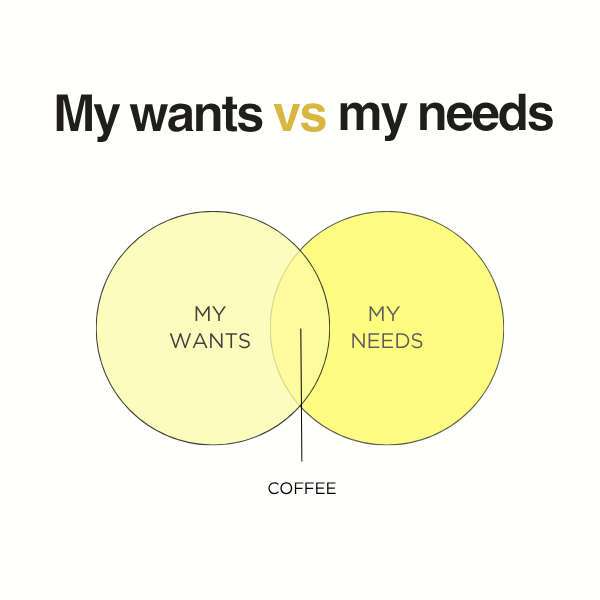
Your needs form your financial foundation. Housing costs like rent or mortgage payments top the list, followed by utilities, groceries, and transportation to work. Basic clothing and insurance premiums also qualify here.
Watch for gray areas that mix necessity with luxury:
- A reliable used car vs. a luxury SUV payment
- Generic medications vs. brand-name alternatives
- Basic phone plan vs. unlimited premium data
Your job requirements matter too. A teacher might need professional attire, while a remote worker could prioritize home office equipment. Ask: “Could I keep my job/living situation without this?”
When housing eats too much of your income, get creative. Consider roommates, negotiate rent, or explore cheaper neighborhoods. Remember: True needs keep you safe and employed – everything else gets scrutinized.
Savings deserve their own category. Treat retirement contributions and emergency funds like bills that can’t be skipped. This mindset shift turns financial security from a dream into a habit.

Mastering the 50/30/20 Rule for Smarter Budgeting
Ever wonder how to balance today’s lattes with tomorrow’s dreams—without feeling guilty or deprived? It’s a common challenge: enjoying life in the moment while still being responsible about the future. That’s where a smart budgeting strategy comes in. Approaches like the 50/30/20 rule take abstract percentages and turn them into real-world action plans you can actually follow.
This isn’t about cutting out every little joy—it’s about aligning your spending with your values. With a clear framework, you can savor your daily treats and still make steady progress toward bigger goals like a down payment, travel, or financial freedom. Whether you’re just starting your career or already well on your way, the right plan adapts to your income, lifestyle, and evolving priorities.
Let’s break down those numbers and transform them into practical steps—ones that grow with you over time. Because building a meaningful life doesn’t mean sacrificing today; it means being intentional with every dollar so you can thrive both now and in the future.
Allocating Income: Needs, Wants, and Savings
Your paycheck becomes three clear buckets. Start with take-home pay after taxes. Essentials like rent and groceries come first. Then personal choices like streaming services. Finally, future-focused funds.
| Monthly Income | Essentials | Lifestyle | Future Funds |
|---|---|---|---|
| $2,000 | $1,000 | $600 | $400 |
| $3,000 | $1,500 | $900 | $600 |
| $4,000 | $2,000 | $1,200 | $800 |
| $5,000 | $2,500 | $1,500 | $1,000 |
https://moneyideas4me.com/acornsSet up automatic transfers on payday. Treat savings like a non-negotiable bill. This “pay yourself first” method prevents overspending. You can also save and invest on autopilot by using a tool such as Acorns to invest spare change. Check out Acorns here.
Benefits of the 50/30/20/ Rule
Watch stress fade as decisions become automatic. No more guessing if you can afford concert tickets. The system adapts when you earn more or switch jobs.
Three key advantages:
- Clear spending limits that still allow for fun
- Built-in savings growth without extra effort
- Easy tracking through banking apps
This method turns financial planning from a chore into a roadmap. You’ll know exactly where your money goes while still enjoying life’s pleasures.

Creating a Flexible Budget Plan for Your Income and Goals
Your financial journey deserves a custom roadmap. The percentage-based approach works best when tailored to your current reality. Let’s explore how to bend the guidelines without breaking your progress.
Start by evaluating your biggest challenges. If rent eats 60% of your paycheck, adjust the essentials category upward. Those in expensive cities often use modified splits like 60/30/10. Graduates tackling student loans might prioritize debt repayment over full savings targets.
| Scenario | Essentials | Lifestyle | Savings |
|---|---|---|---|
| High-cost urban area | 60% | 25% | 15% |
| Early career starter | 55% | 30% | 15% |
| Family with childcare | 65% | 20% | 15% |
| Debt management phase | 50% | 25% | 25% |
Focus on progress, not perfection. If saving 5% feels achievable today, start there. Automate transfers to separate accounts for bills, fun money, and future funds. Apps can help track multiple financial goals simultaneously.
Revisit your plan every three months. Got a raise? Shift more to savings. Changed jobs? Adjust categories. This flexibility helps you stay committed through life’s changes while building better money habits.
Remember – the best budget grows with you. Whether you’re navigating gig work or planning retirement, small tweaks keep your finances aligned with what matters most in each season.

Overcoming Common Budgeting Challenges in 2025
Life throws curveballs – and your budget should be strong enough to catch them. Between rising living costs, unexpected medical bills, job changes, and inflation, even the most carefully crafted financial plans can be put to the test. But with the right strategies, tools, and mindset, you can stay in control and bounce back stronger. Let’s explore practical, real-world solutions to help you navigate today’s toughest money hurdles and build a more resilient financial future.
Adjusting for Varying Cost of Living
Housing costs eating away at your paycheck? Try these fixes. Negotiate rent increases with proof of timely payments. Split costs with roommates or consider suburbs with shorter commutes. Energy bills shrinking your budget? Smart thermostats cut heating/cooling costs by 15%.
| High-Cost Area Fixes | Low-Cost Alternatives |
|---|---|
| Rent a studio vs. 1-bedroom | Relocate to nearby towns |
| Public transit + bike share | Used car with good mileage |
| Meal prep kits reduce waste | Bulk grocery shopping |
Review recurring bills quarterly. Many providers offer loyalty discounts if you ask. Bundle internet and phone plans – newer plans often cost less than grandfathered rates.
Managing Unexpected Expenses
Think of your emergency fund as a financial airbag—it’s there to soften the blow when life takes an unexpected turn. Begin with a small, manageable goal, like setting aside $500 to handle minor emergencies. Once that’s in place, work toward building a cushion that covers at least three months of essential expenses, such as rent, groceries, and utilities.
The key is consistency, not perfection. Set up automatic weekly transfers, even if it’s just $25—small, steady contributions add up over time and can give you serious peace of mind when you need it most.
When surprises hit:
- Pause non-essential spending first
- Use savings before credit cards
- Renegotiate due dates on loans (if needed)
Medical bills or car repairs might require temporary budget shifts. Reduce lifestyle costs by 10% for two months instead of stopping savings completely. Track every dollar until you’re back on track.
Feeling overwhelmed by growing debt? Start by tackling your high-interest balances first—these are usually credit cards or payday loans that can quickly spiral out of control. Prioritizing them saves you money in the long run by reducing the amount of interest you pay over time. While you focus on those, continue making at least the minimum payments on your other debts to avoid penalties and protect your credit score.
Consider a balance transfer to a lower-interest card as a short-term strategy to ease the pressure—but be sure to read the fine print and watch out for transfer fees or promotional periods that expire quickly. A clear plan and steady progress can help you regain control faster than you think.

Tips to Enhance and Track Your Financial Progress
What if your budget could manage itself—even while you sleep? That’s no longer just a dream—it’s a reality thanks to modern financial tools and automation. Today’s apps and digital banking systems have transformed budgeting from a tedious chore into a behind-the-scenes process that works for you, not against you. Instead of manually tracking every expense or stressing over spreadsheets, you can rely on smart systems that monitor, categorize, and optimize your spending in real time.
Think of it as having a silent financial partner—one that keeps you on track with your goals, alerts you to overspending, and automatically routes your money to savings, bills, and investments. These tools take the guesswork out of managing your cash flow, giving you back time and peace of mind.
Whether you’re building an emergency fund, saving for a dream trip, or investing for retirement, technology helps ensure your money flows in the right directions without constant effort. Let’s explore how to set up these systems so your finances run smoothly in the background—letting you focus on living your life while your wealth builds quietly in the background.
Smart Automation Strategies
Top apps like Mint and YNAB sync with your accounts to categorize spending automatically. They show real-time progress bars for your essentials, lifestyle choices, and savings goals. Set alerts when you approach category limits – like getting a nudge before your dining-out budget hits max.
| Tool | Best Feature | Automation Strength |
|---|---|---|
| Mint | Custom categories | Auto-bill tracking |
| YNAB | Debt payoff plans | Goal sync across devices |
| SoFi | High-yield savings | One-click transfers |
Start by tracking three months of spending patterns. Apps generate reports showing where dollars slip through cracks. Save receipts digitally using your phone’s camera – many tools read text from images to auto-log purchases.
Separate accounts create physical spending barriers. Route paychecks to split instantly between checking (essentials), savings (future funds), and a lifestyle account. Banks like SoFi offer sub-accounts with unique account numbers for this purpose.
Schedule monthly money dates. Review app dashboards while sipping coffee. Adjust next month’s targets based on what worked. Quarterly, check big-picture progress toward emergency fund targets and retirement contributions.
Share view-only access with a trusted friend or advisor. Accountability partners help celebrate wins and troubleshoot challenges. Remember – tools work best when paired with your personal money values.
Conclusion
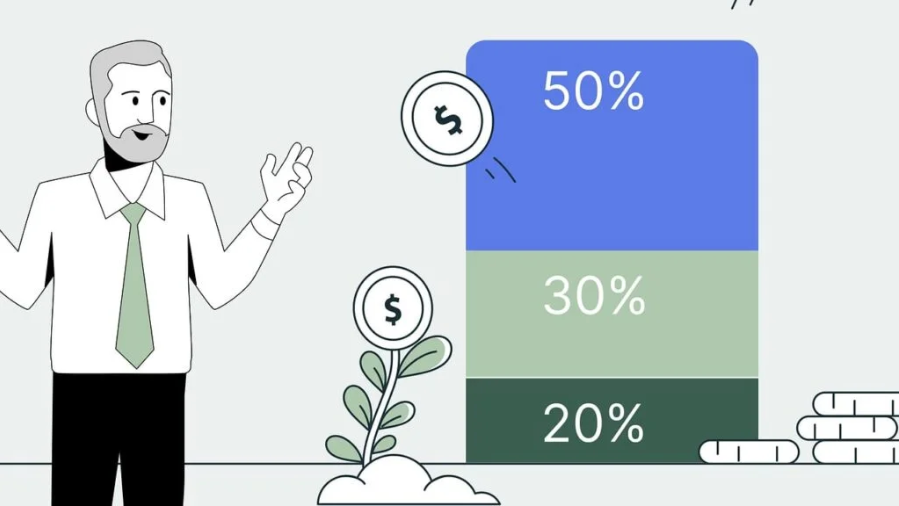
Your money should serve your life—not the other way around. That’s the heart of smart financial planning. The 50/30/20 rule offers a flexible, percentage-based approach to help guide your spending without feeling restrictive. Think of it as a blueprint, not a cage. By allocating 50% of your income to needs, 30% to wants, and 20% to savings and debt repayment, you create a balanced framework that lets you enjoy the present while building long-term security.
In a world filled with budgeting apps and automatic transfers, you no longer need to crunch numbers manually. Modern banking tools now make following the 50/30/20 rule practically effortless—handling the math in the background so you can focus on living your life and making intentional choices with your money.
But the real transformation begins with a mindset shift. When you start treating savings the same way you treat rent or utilities—non-negotiable and automatic—you stop relying on willpower and start building real financial momentum. Whether you’re juggling freelance gigs, running a small business, or moving up the corporate ladder, this habit allows your savings to grow with your income.
Start exactly where you are. If saving 20% sounds like a stretch, that’s okay—begin with 10% or even 5%, and gradually increase over time. Life changes, and so should your budget. Revisit your spending allocations every few months to make sure your plan reflects your current priorities and goals. Flexibility is key to sticking with it.
Financial confidence doesn’t come from sudden windfalls or perfect spreadsheets. It grows through small, consistent actions made over time—each one a step toward your ideal financial life. You’ve got the tools. You’ve got the knowledge. Now it’s time to put them to work in 2025 and beyond.
Go ahead—rewrite your financial story one intentional percentage at a time.